What Buyers Need to Know About the Weather and Climate in Bonita Springs, FL in 2026
Bonita Springs JESSE MCGREEVY June 9, 2026
Bonita Springs JESSE MCGREEVY June 9, 2026
Bonita Springs, FL sees an average annual precipitation of about 55 inches, with the vast majority of rainfall occurring between June and September. Buyers moving from northern states often expect four distinct seasons, but Southwest Florida operates on a simpler schedule of wet and dry. The transition between these two periods defines the local lifestyle and property maintenance schedules.
Understanding these seasonal shifts helps you plan everything from viewing properties to scheduling your move. The local weather forecast dictates construction standards, homeowner insurance premiums, and daily routines. A well-built home will handle both the dry winter breezes and the heavy summer downpours with ease.
Knowing what to expect from the climate helps you budget for utilities and seasonal upkeep. Buyers moving to the area in 2026 should factor these weather patterns into their property search from day one.
The regional climate operates as a subtropical system driven by atmospheric convection and ocean breezes. Average annual temperatures range from winter low marks around 53 degrees to summer high marks hitting 91 degrees. The Gulf of Mexico regulates these extremes, preventing the deep freezes seen further north and moderating the peak summer heat.
Instead of spring, summer, fall, and winter, locals track the transition between the rainy months and the dry months. Keeping an eye on the local radar becomes a daily habit, especially when planning outdoor property tours around changing weather conditions. A clear morning can quickly shift into an afternoon downpour.
Precipitation drops to just one or two inches per month during the winter and spring. You will see mostly cloudy, partly cloudy, or full sun skies with a very low chance of precipitation. This dry stretch creates ideal conditions for outdoor events, golf, and property tours.
Morning and evening temperatures stay mild, often hovering in the mid-50s before warming into the mid-70s by mid-afternoon. Residents often turn off their air conditioning and open windows during these months to let the breeze through. Lower humidity levels make spending time outdoors comfortable throughout the entire day.
Summer weather brings high humidity and a predictable daily cycle of rain showers. Mornings typically start with sunshine, followed by a rapid buildup of clouds over the inland areas. Thunderstorms likely appear by 2:00 or 3:00 PM as the sea breeze pushes moisture across the peninsula.
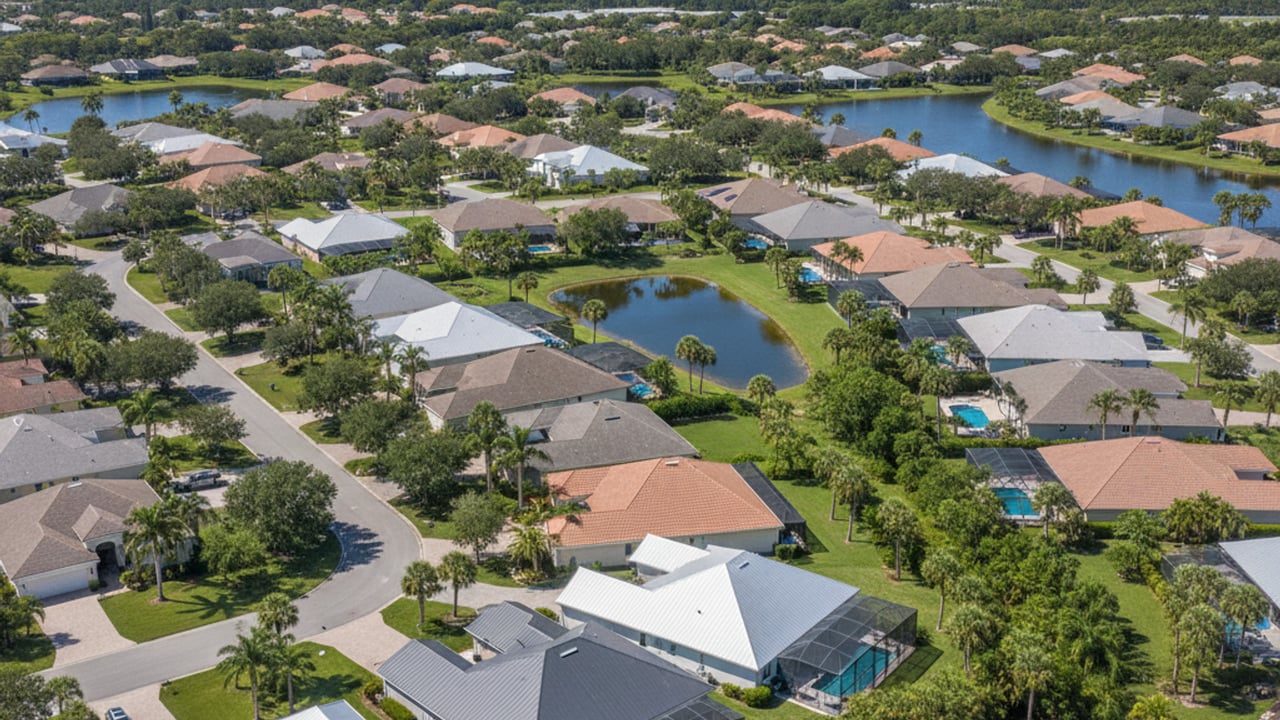
August stands out as the wettest month, carrying a high chance of rain and averaging up to 11 inches of water. These showers and thunderstorms usually pass quickly, leaving clear skies and warm temperatures for the evening. The rapid runoff requires neighborhoods to have efficient drainage systems and well-maintained retention ponds.
Homes in Southwest Florida are built specifically to withstand wind, rain, and intense heat. Concrete block construction is the standard for the first floor of most properties, providing structural stability against high wind gusts. Wood frame construction is less common for ground floors due to moisture and termite concerns.
The Florida Building Code requires homes built after 2002 to meet elevated wind load resistance standards. Properties featuring hurricane-impact windows and reinforced garage doors often qualify for wind mitigation credits. These credits lower homeowners insurance premiums and reduce the need for manual storm shutters.
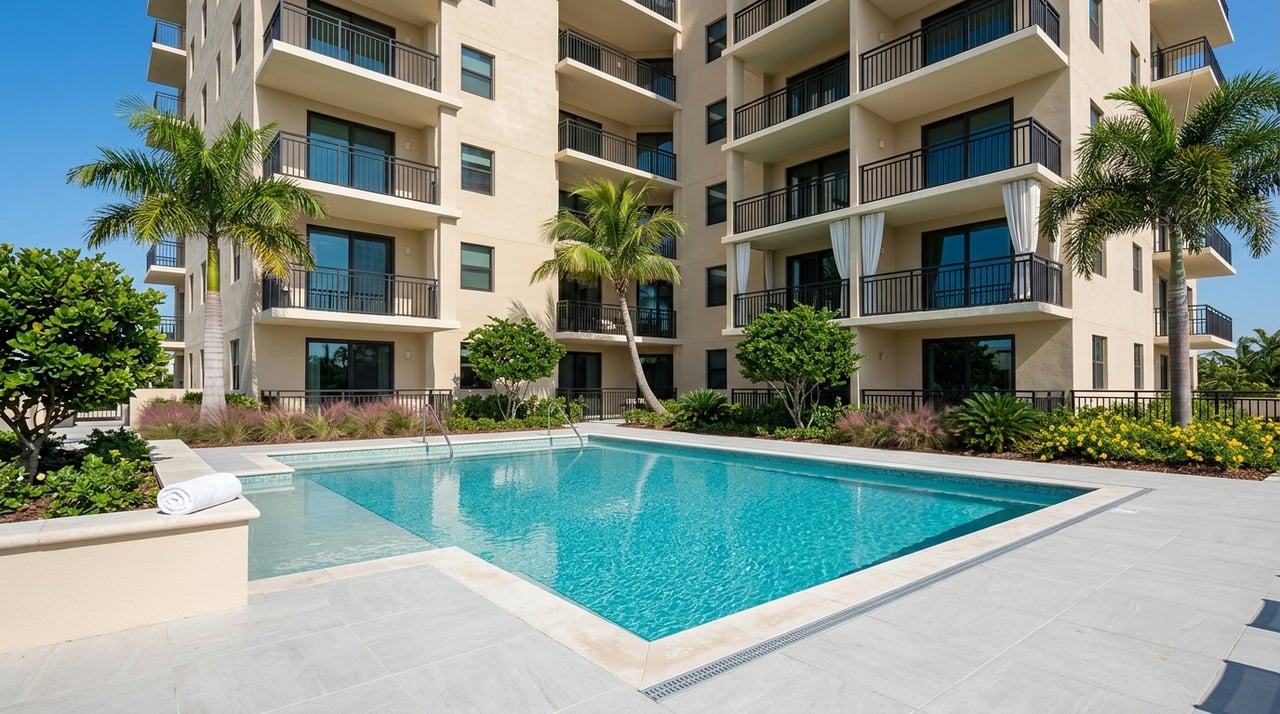
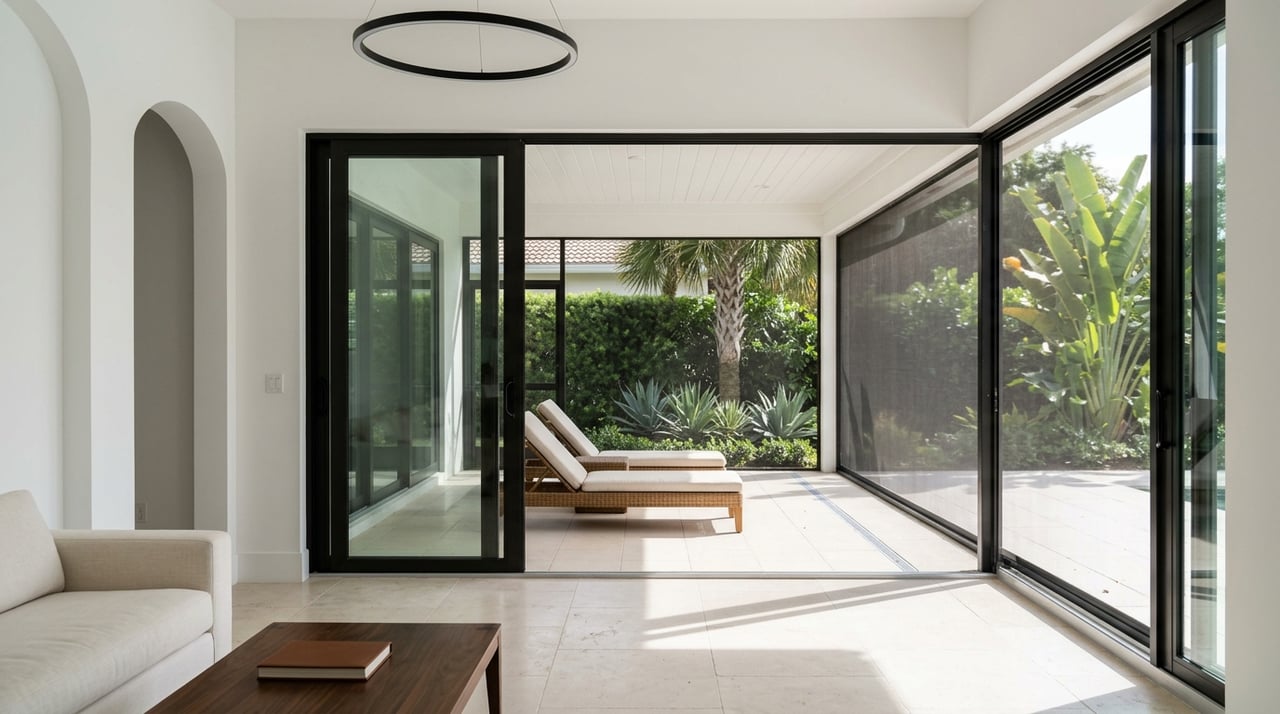
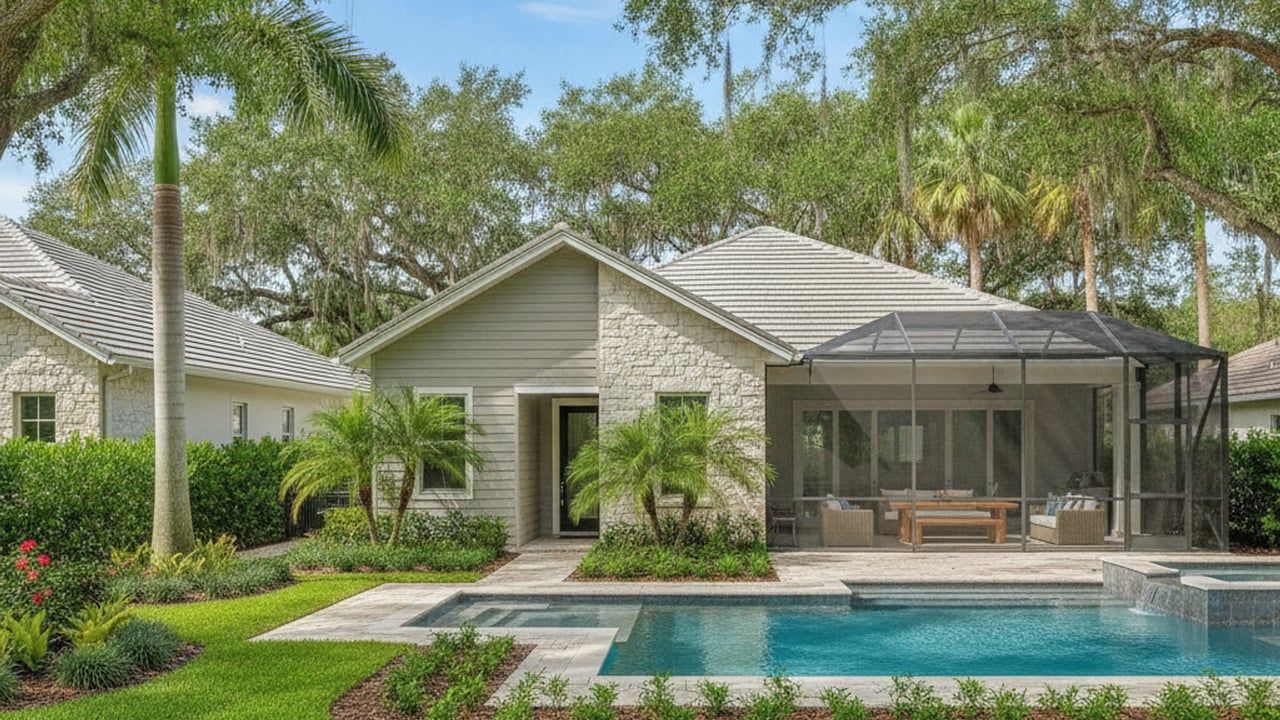
Screened lanais and covered pool decks are standard features across the local market. These enclosures block insects and provide natural shade, allowing you to enjoy the outdoors even when the afternoon temperature peaks. Many buyers consider a covered outdoor living space a requirement rather than an optional upgrade.
The warm temperatures allow for outdoor recreation all year, provided you time your outings around the daily chance of a thunderstorm. Checking the hourly Florida weather forecast helps residents plan beach trips before the afternoon clouds roll in. Morning hours offer the calmest water conditions for boating and paddleboarding.
Water access is a major draw for buyers looking at homes west of US-41. You can access several distinct environments within a short drive depending on the tide and wind direction. The area provides options for both open-water activities and sheltered inland waterways.
Barefoot Beach Preserve: This undeveloped barrier island offers natural walking trails and Gulf of Mexico access for swimming and shelling.
Bonita Beach Park: Located at the southern tip of the city, this public beach features boardwalks, swimming areas, and beachside facilities.
The Imperial River: Paddling and kayaking remain popular here during both the wet and dry seasons, as the tree canopy provides natural shade.
Hurricane season runs from June 1 through November 30, requiring residents to maintain a consistent state of readiness. Homeowners should review their insurance policies in May to confirm their windstorm and flood coverage limits are accurate. Upgrading an older roof or installing impact doors before the season begins can prevent last-minute stress.
Interstate 75 and US-41 serve as the primary evacuation routes for Bonita Springs, FL residents heading north or inland. Knowing your designated evacuation zone helps you make quick decisions if a storm approaches the Gulf Coast. Local authorities update these zones periodically based on elevation and drainage data.
Local infrastructure includes modern medical centers designed to operate during severe weather events. Lee Health Coconut Point, located just north of the city limit along US-41, provides 24/7 emergency care and outpatient services. The facility features backup power systems to maintain operations when the broader grid goes down.
Winter months see average lows around 53 degrees and highs near 75 degrees. By July and August, daily highs consistently reach 91 degrees with overnight lows staying in the upper 70s. The transition months of April and November typically offer highs in the low 80s.
Coastal Florida faces a recurring risk of tropical storms and hurricanes between June and November. Modern homes built to the latest building codes handle high winds well, but storm surge remains a factor for properties west of US-41. Buyers should verify the flood zone of any property they consider.
March and April offer an ideal balance of low humidity, minimal rain, and temperatures in the low 80s. If you plan to look at homes during this window, you will avoid the intense summer heat and the daily afternoon thunderstorms. The winter months are also pleasant but bring cooler mornings.
Stay up to date on the latest real estate trends.
Bonita Springs
Bonita Springs
Bonita Springs
Bonita Springs
Bonita Springs
Bonita Springs
Our team’s unprecedented professionalism, skill, and attention to detail has allowed us to set sales records for the past 15 years. We will ensure your buying or selling experience exceeds your expectations.