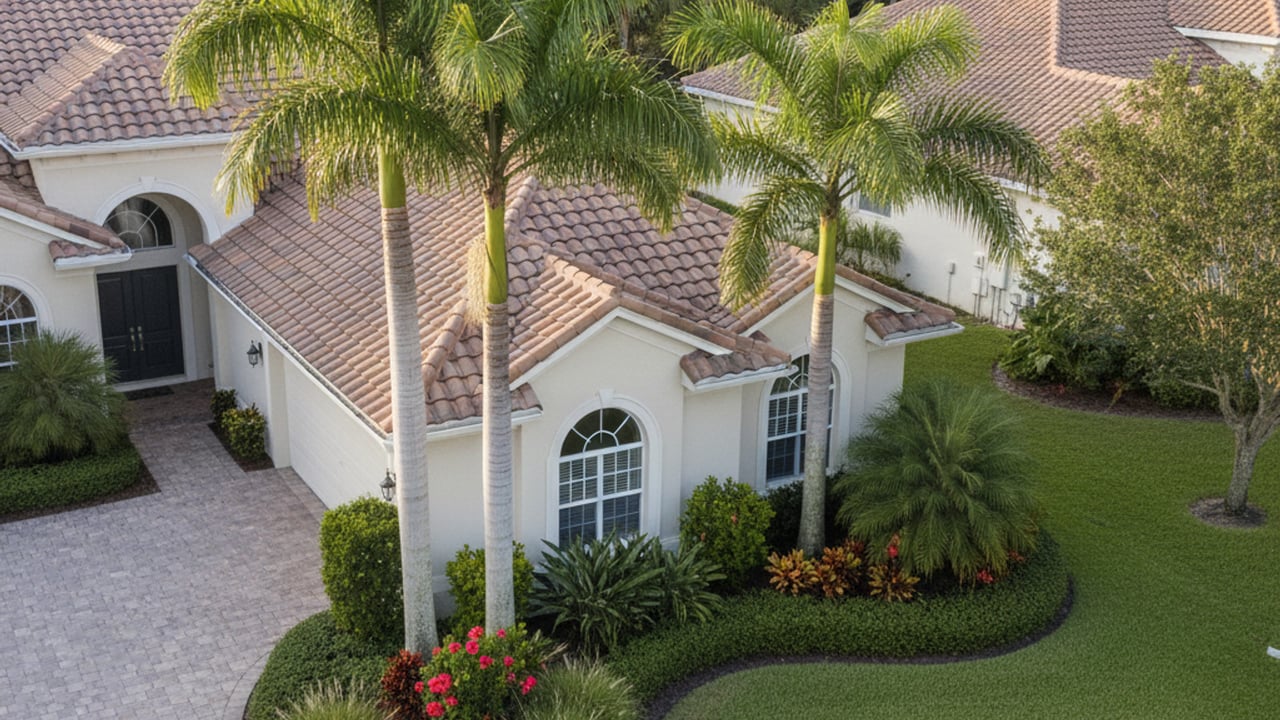
Property Taxes Estero FL: A Complete Guide for Buyers in 2026
JESSE MCGREEVY April 14, 2026
JESSE MCGREEVY April 14, 2026
Relocating to Southwest Florida requires a solid grasp of local housing expenses before you make an offer. For those looking at homes for sale in Estero, understanding the local tax structure is a crucial first step. Navigating the different rates and fees can feel overwhelming for out-of-state buyers unfamiliar with the state's specific assessment rules.
The good news is that living in Estero comes with distinct financial advantages compared to neighboring municipalities. The village operates with a highly efficient government model that keeps local municipal rates remarkably low. Knowing exactly how these bills are calculated will help you accurately budget for the true carrying costs of your new Florida home.
Figuring out your annual tax burden starts with understanding who handles the different parts of the process. In Lee County, two separate government offices manage real estate taxes to ensure a system of checks and balances. The Lee County Property Appraiser is the entity that determines the official assessed value of your home.
Once that value is established, the Lee County Tax Collector takes over to issue the bills and collect payments. The most significant financial advantage for residents here is the incredibly low local millage rate set by the Village of Estero. For the 2025 and 2026 fiscal years, the village rate sits at just 0.7300 mills.
However, your total tax bill includes more than just the village levy. When you factor in the county, the school board, and other local taxing authorities, the effective overall property tax rate generally falls between 0.87% and 1.1% of the assessed value. My top piece of advice is to always budget for that 1.1% high end to avoid any surprises at the end of the year.
Your annual bill is divided into two main categories: ad valorem taxes and non-ad valorem assessments. Ad valorem taxes are calculated based on the assessed value of your real property as it stands on January 1 of the tax year. This means any improvements or structural changes made to the property before that date will impact your upcoming bill.
Non-ad valorem assessments are flat fees charged for specific local services rather than the value of your home. These assessments typically cover essential infrastructure like municipal solid waste collection, stormwater management, and neighborhood streetlights. The final numbers for both categories are combined into the certified tax roll, which is finalized annually before the county mails the bills.
Many of the premier golf course and resort-style neighborhoods in Estero operate as Community Development Districts. A CDD is a special-purpose government framework that developers use to finance and manage large-scale community infrastructure. These fees are extremely common in Estero and are typically billed directly alongside your real estate property taxes as non-ad valorem assessments.
When reviewing a property with a CDD, you will notice the fee is split into two distinct parts. The debt service portion pays back the initial infrastructure loan and can sometimes be paid off early by the homeowner. The operations and maintenance portion covers ongoing community upkeep and continues indefinitely.
This specific maintenance fund pays for the pristine landscaping, community pools, and clubhouse staff that make these neighborhoods so appealing. Buyers should review the annual CDD budget provided by the developer or seller during the transaction to understand exactly what these funds cover.
Buyers should expect CDD fees in Estero to range from roughly $1,300 to $1,700 or more annually, depending on the specific neighborhood. Factoring this into your monthly carrying costs is essential when comparing homes across different developments.
Florida offers some of the most favorable tax benefits in the country for primary residents. The most well-known benefit is the Florida Homestead Exemption, which can significantly lower your annual tax burden. This exemption removes up to $50,000 from the assessed value of your primary residence for tax purposes.
To secure this benefit, buyers must formally apply for the exemption by March 1 of the applicable tax year. Missing this deadline means you will pay taxes based on the full assessed value for that entire year. Establishing Florida residency and updating your driver's license are required steps before you can successfully file the paperwork.
The biggest mistake out-of-state buyers make is assuming their property taxes will match what the current seller pays. Florida property taxes reset to full market value the year after a new buyer purchases a home. This reset effectively wipes out the previous owner's accumulated exemptions, meaning your new bill will almost certainly be higher than theirs.
Once you establish your Homestead Exemption, you gain access to the Save Our Homes amendment. This powerful state law limits how much the assessed value of your primary residence can increase each year. The cap restricts annual increases to a maximum of 3% or the Consumer Price Index, whichever figure is lower.
For the 2026 tax year, the Save Our Homes cap is set at 2.7%, down slightly from previous years. This protection prevents massive property tax hikes over time, even if the local real estate market experiences rapid appreciation. Over a decade of ownership, this cap can save residents thousands of dollars annually.
The Lee County Tax Collector mails annual property tax bills around November 1 of each year. Florida incentivizes residents to pay their bills ahead of schedule by offering a tiered discount system. Taking advantage of the maximum discount is a simple way to keep your housing costs down.
The discount schedule rewards the earliest payers with the highest percentage off their total bill. Homeowners can expect the following reductions based on when they submit payment:
A 4% discount for payments made in November.
A 3% discount for payments made in December.
A 2% discount for payments made in January.
A 1% discount for payments made in February.
If you wait until March, you must pay the full face value of the bill with no discount applied. Any unpaid taxes officially become delinquent on April 1. At that point, heavy penalties are added, and the property faces the risk of a tax certificate sale.
The 2026 Estero housing market remains robust, driven by steady demand and limited inventory. Overall median home prices in the village currently range between $530,000 and $576,000. These baseline figures provide a helpful starting point for estimating your future tax obligations.
Property types play a major role in both purchase price and the resulting tax levy. Condominiums in Estero typically trade around the $400,000 mark, offering a more accessible entry point with slightly lower tax burdens. Meanwhile, single-family homes often command prices closer to $700,000 due to larger lot sizes and private amenities.
Beyond the structure itself, the specific location of the lot heavily influences the final valuation. Properties featuring waterfront access or unobstructed golf course views naturally carry higher assessed values than standard interior lots. Understanding these premium features helps explain why two similar homes in the same zip code might receive drastically different tax bills.
Buyers should note that purchasing in newer gated communities will naturally lead to higher ad valorem taxes. Even with the incredibly low 0.7300 millage rate from the village, a higher assessed market value translates to a larger tax bill. Balancing your desired home price with the associated carrying costs is a critical part of the buying process.
Estero maintains strong property values largely due to its highly convenient geographic location. The village sits directly between Fort Myers and Naples, offering easy access to the major employment and commercial hubs of Southwest Florida. This central positioning keeps real estate demand consistently high year after year.
Proximity to major infrastructure further supports the local market and protects property values. Southwest Florida International Airport is approximately 20 minutes from most Estero communities, making travel highly efficient. The presence of Florida Gulf Coast University also provides a steady economic anchor for the immediate area.
Local recreation features add significant value to the surrounding real estate. Properties near Koreshan State Park and the Estero Bay Aquatic Preserve benefit from protected natural views and immediate outdoor access. These enduring community features ensure that homes in Estero retain their appeal over the long term.
The effective property tax rate in Estero generally falls between 0.87% and 1.1% of a home's assessed value. While the Village of Estero charges a very low 0.7300 mills, the total bill includes county and school board taxes. A home assessed at $500,000 can expect an annual tax bill of roughly $4,350 to $5,500 before exemptions are applied.
The Lee County Property Appraiser is strictly responsible for determining the official assessed value of your real estate. The Lee County Tax Collector uses that value to calculate your actual bill, mail it out, and process your payment. If you disagree with your home's valuation, you must contact the appraiser, not the tax collector.
Seniors never completely stop paying property taxes in Florida based purely on their age. However, residents aged 65 and older who meet specific low-income limits may qualify for an additional senior exemption under Florida law. This local exemption can further reduce the assessed value of their property, but it does not eliminate the tax bill entirely.
Stay up to date on the latest real estate trends.
Fort Myers
Fort Myers
Fort Myers
Fort Myers
Fort Myers
Fort Myers
Fort Myers

Estero
Our team’s unprecedented professionalism, skill, and attention to detail has allowed us to set sales records for the past 15 years. We will ensure your buying or selling experience exceeds your expectations.