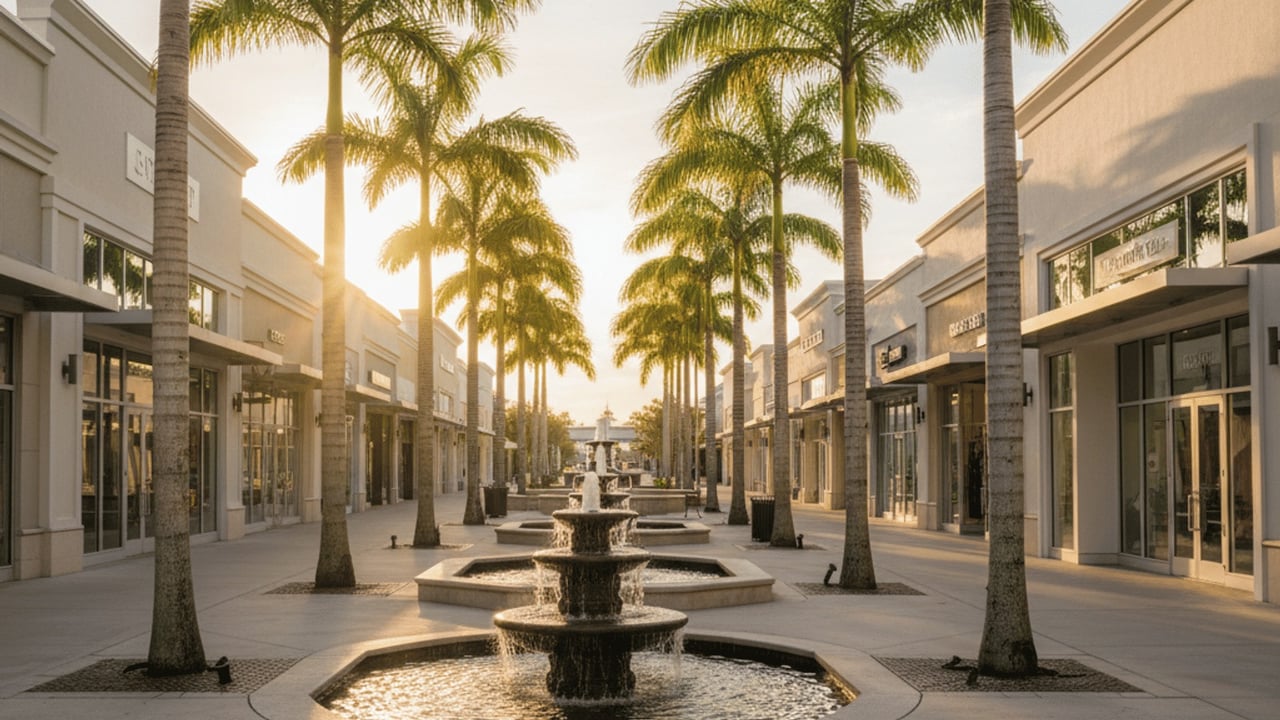
Estero vs. Fort Myers: The Southwest Florida Showdown
JESSE MCGREEVY February 18, 2026
JESSE MCGREEVY February 18, 2026
If you are looking to buy a home in Southwest Florida right now, you are likely stuck in the middle of a classic debate. Do you choose the polished, master-planned predictability of the Village of Estero, or do you opt for the historic, eclectic energy of Fort Myers?
It’s not just about picking a zip code; it’s about picking a lifestyle. Estero is often seen as a manicured bubble—beautiful, consistent, and quiet. Fort Myers, on the other hand, is a true river city with grit, history, and a much wider variety of neighborhoods.
As we head into early 2026, both markets have recovered significantly from past storms, but they offer very different paths for buyers. Estero sits just south of Fort Myers, acting as a strategic bridge to Naples. While they are neighbors, the daily experience of living in them couldn't be more different.
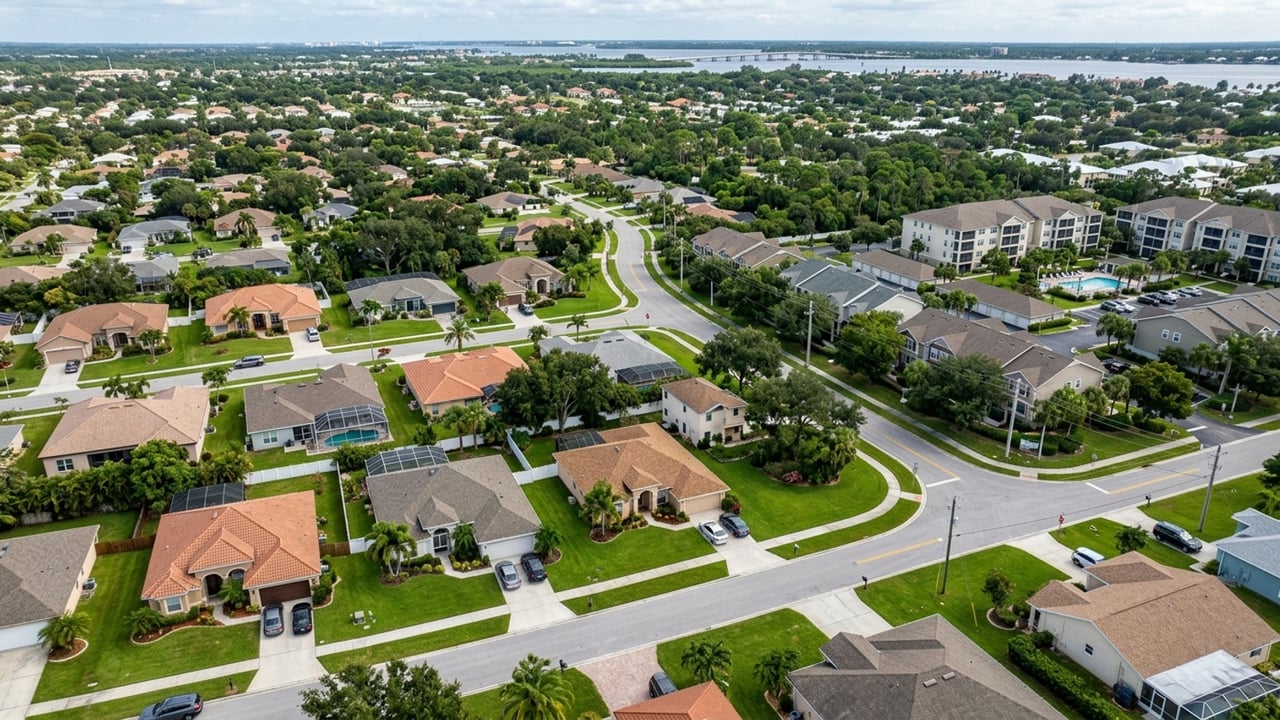
When you drive through Estero, the first thing you notice is the uniformity. Almost everything here is newer, landscaped to perfection, and hidden behind a gate. The vibe is quiet and heavily focused on community amenities. If your ideal Saturday involves taking a golf cart to the pickleball courts or lounging by a resort-style pool without leaving your neighborhood, Estero was built for you.
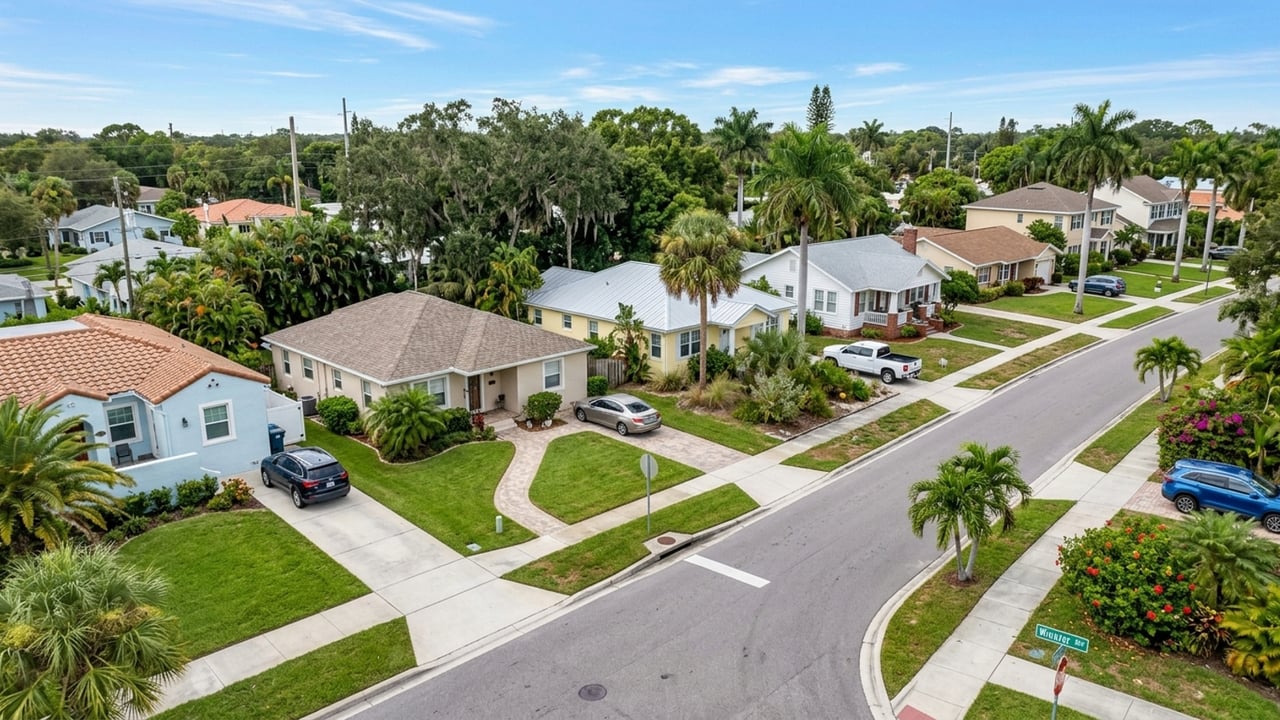
Fort Myers offers a much broader spectrum of living. You have the walkable, brick-lined streets of the River District with its nightlife, rooftop bars, and dining scene. But you also have riverfront high-rises and older, non-gated neighborhoods where you can park a boat in your driveway without asking for permission.
The demographics reflect this split. Estero generally leans a bit older and more affluent, though the presence of Florida Gulf Coast University (FGCU) creates a distinct "college town" pocket with younger energy. Fort Myers is far more diverse, home to young professionals, long-time locals, and a mix of income levels that you don't typically see in the master-planned corridors of the Village.
If we look at the numbers for Estero real estate listings and Fort Myers inventory in early 2026, the price gap is real. Estero commands a premium for its consistency. You are typically looking at a median price point in the $550,000 to $600,000 range. Because most housing here was built post-2000, the inventory stays tighter—usually hovering around a 4 to 6 months' supply.
Fort Myers real estate market conditions are quite different. It offers a much more accessible entry point, with median prices sitting between $330,000 and $360,000. Inventory here is currently higher, sitting at over 7 months' supply, which gives buyers a lot more room to negotiate.
However, the sticker price doesn't tell the whole story. The "hidden" differentiator here is the community fee structure. In Estero, it is nearly impossible to find a home without significant HOA fees and often CDD (Community Development District) fees. In Fort Myers, you can still find plenty of neighborhoods with zero HOA dues, which can radically change your monthly buying power.
Let’s break down the monthly budget, because this is where the two areas really diverge.
The Village of Estero prides itself on a low millage rate—around 0.73 mills—which sounds great on paper compared to city taxes. However, because property values are higher and many communities add those CDD fees we mentioned, your total annual bill often ends up higher than in Fort Myers.
Then there are the HOA fees. In Estero, you should budget anywhere from $300 to over $800 a month. In exchange, you get cable, internet, lawn care, and gate security. In Fort Myers, you have the flexibility to choose. You can pay for a gated community if you want, or you can buy a standalone home with no monthly fees at all.
Insurance is a pain point for everyone in Southwest Florida right now. Premiums generally run between $3,600 and $7,000+ annually across the region. The silver lining for Estero buyers is that because the homes are newer and built to modern wind codes, you might snag a slightly better rate than you would on a 1970s block home in Fort Myers that hasn't been retrofitted.
After Hurricane Ian, the conversation about flood zones changed from "maybe" to "mandatory."
Fort Myers took a heavy hit, particularly in the Downtown and riverfront areas which are largely designated as Flood Zone AE. These areas are highly susceptible to storm surge from the Caloosahatchee River. If you are looking at homes in Fort Myers near the water, you need to be hyper-aware of elevation and flood insurance costs.
Estero faces risk too, but it looks different. Much of the area is in Zone AH, which indicates a risk of shallow flooding. However, because Estero is newer, many communities were built on "fill"—dirt brought in to raise the homes above the base flood elevation. The drainage systems are also modern, which helps move water away faster than the older infrastructure in the city.
Regardless of which you choose, evacuation routes matter. Estero relies heavily on Tamiami Trail and I-75. During a storm scare, these roads become bottlenecks, so having a plan is essential.
If you love shopping, Estero is arguably the retail capital of the region. It is anchored by the massive Coconut Point Mall and Miromar Outlets. The area is clean, upscale, and convenient, but it is heavy on national chains. The nightlife here wraps up early; if you are looking for a cocktail after 9 PM, your options are limited.
Fort Myers is the entertainment hub. The River District is where you go for art walks, music festivals, and independent restaurants. It has a pulse that master-planned communities just can't replicate. For standard retail, the Edison Mall serves the area, though it’s older than its southern counterparts.
For beach lovers, the drive is different. Estero residents usually head to Bonita Beach or Lover’s Key State Park. Fort Myers residents have historically driven to Fort Myers Beach or Sanibel. While those areas are still rebuilding, they remain the go-to coastal spots for the city.
For working professionals, Estero is often the strategic winner. It sits right in the middle, about 25 minutes to Naples and 25 minutes to Downtown Fort Myers. If you have a household with split commutes—one person working in Naples and one in Fort Myers—Estero is the perfect compromise.
Both areas are served by the Lee County School District. Estero High School acts as a major community hub, often rallying the Village together for events. Fort Myers High School is one of the oldest and most prestigious in the area, well-regarded for its International Baccalaureate (IB) program.
Higher education also plays a role in the local vibe. FGCU is located right in Estero, bringing students, faculty, and a bit of youthful energy to the immediate area around Ben Hill Griffin Parkway.
Here is the quick rundown if you are trying to weigh your options.
Estero Pros:
Newer construction means fewer immediate repairs.
The "manicured" look is consistent and clean.
Generally lower crime risk due to gated access.
Central location makes it easy to reach Naples or the airport.
Estero Cons:
Higher cost of entry and mandatory HOA fees.
Strict aesthetic rules (you can't just paint your house purple).
Lack of diverse culture or late-night entertainment.
Fort Myers Pros:
More affordable purchase prices.
Historic character and genuine "city" feel.
Walkability in the downtown district.
Boating access is often easier and closer.
Fort Myers Cons:
Neighborhood conditions vary street by street.
Traffic congestion can be heavier due to bridge bottlenecks.
Older infrastructure and higher risk of surge in river zones.
Generally, Fort Myers is cheaper upfront. The median home price is significantly lower, and you can avoid monthly HOA fees. However, Estero can sometimes balance out if you factor in the newer energy-efficient construction and bundled amenities (like cable/internet) included in those HOA dues.
Both areas flood, but the type of risk differs. Fort Myers faces significant river surge risk (Zone AE) which can be devastating. Estero often deals with sheet flow or shallow pooling (Zone AH), but many homes sit on raised pads with modern drainage, which offered better protection during recent storms.
They are direct neighbors. From the center of Estero to Downtown Fort Myers, it is about a 20-25 minute drive depending on traffic.
No, Estero does not have a traditional historic downtown. Instead, it has "town centers" like Coconut Point, which is an outdoor mall designed to feel like a Main Street with apartments, shops, and dining all in one place.
The decision usually comes down to what you value most: predictability or character.
If you want a turnkey lifestyle where the lawns are always green, the neighbors are quiet, and you are equidistant to everything in Southwest Florida, living in Estero is likely the right move. It is safe, clean, and easy—if you have the budget for it.
If you prefer a home with history, want to avoid HOA oversight, or crave the walkability of a true city center, Fort Myers real estate is your best bet. It offers freedom and variety that you just don't get inside the gates.
The best way to decide? Drive the neighborhoods. Grab lunch at Coconut Point, then have dinner in the River District. You’ll know which one feels like home pretty quickly.
Stay up to date on the latest real estate trends.
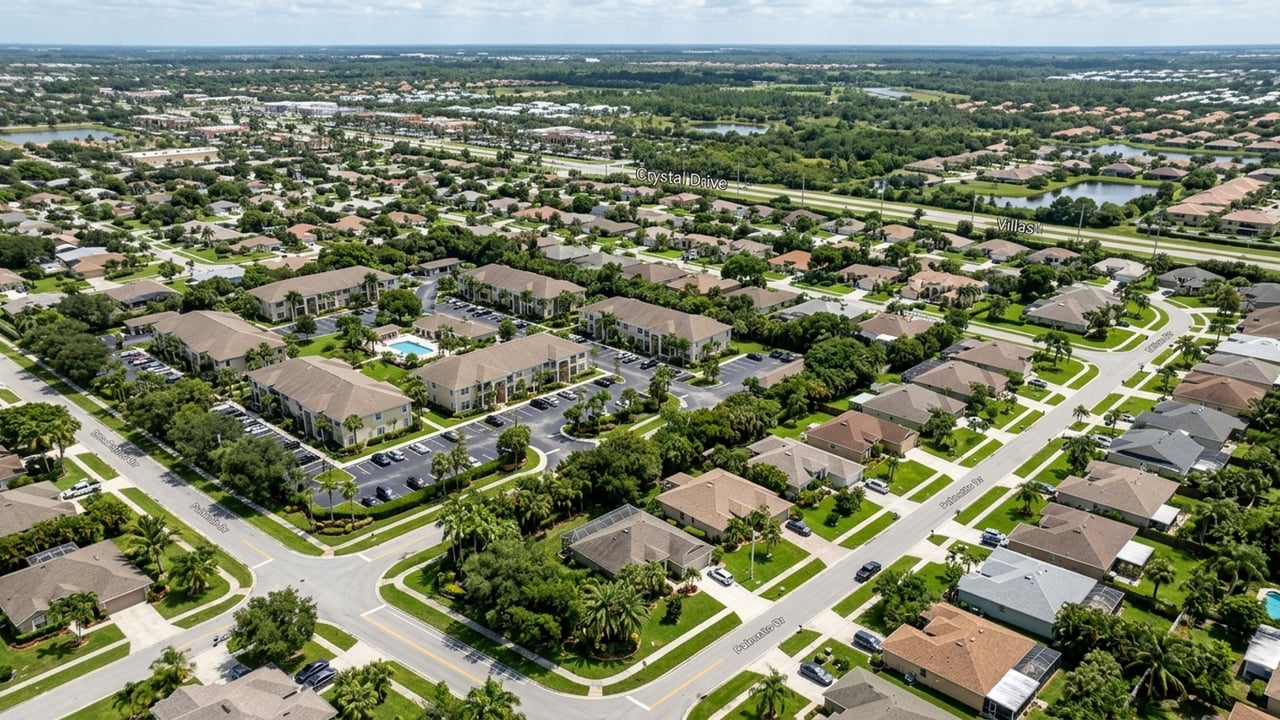
Fort Myers
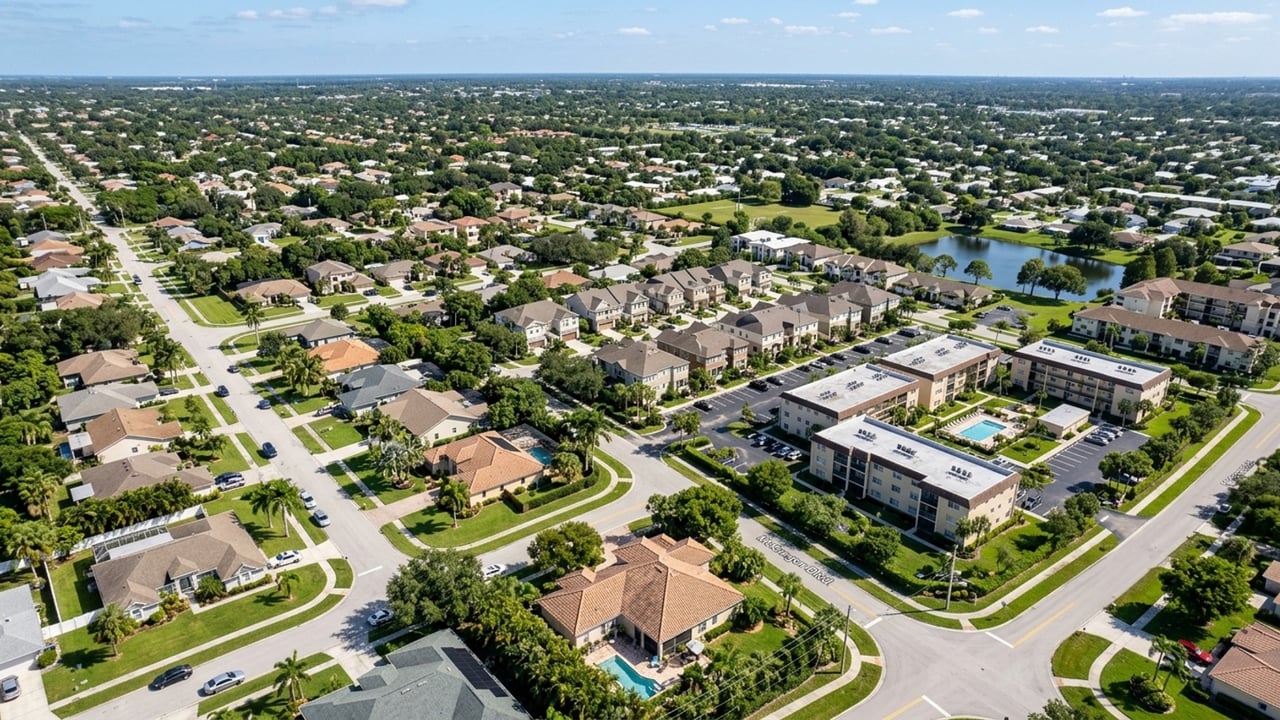
Fort Myers
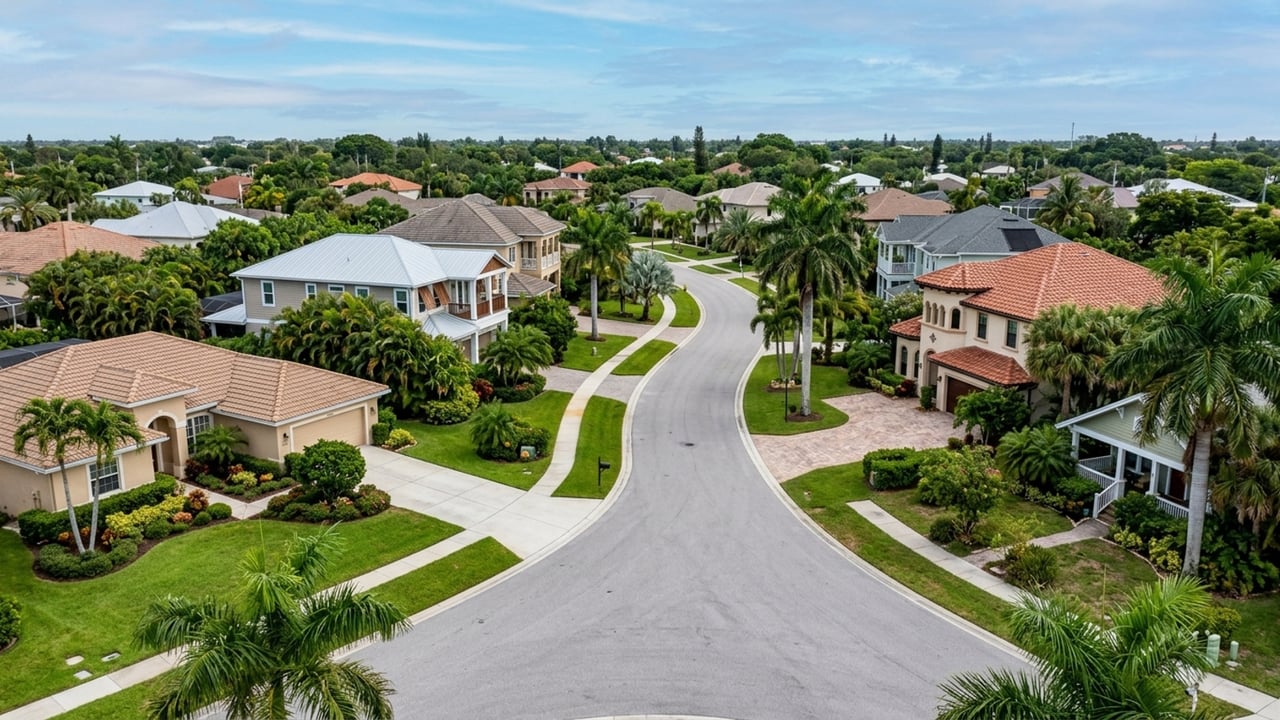
Fort Myers
Fort Myers
Fort Myers
Fort Myers
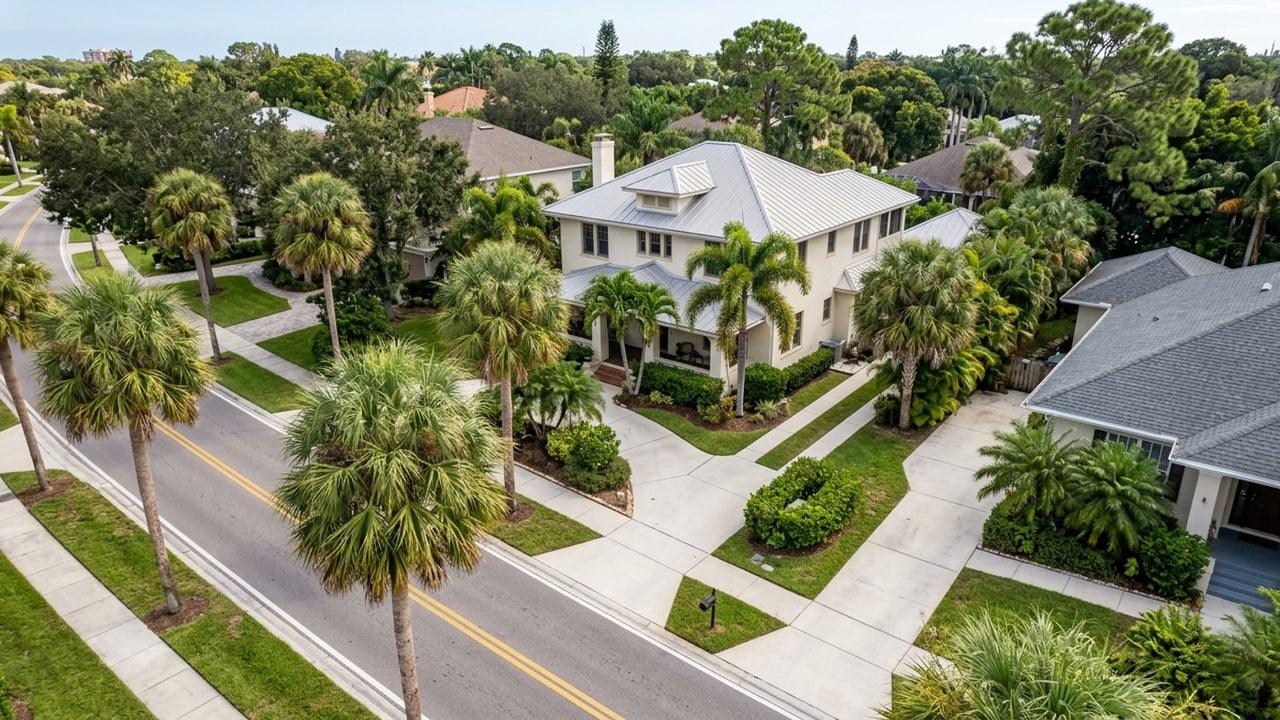
Fort Myers
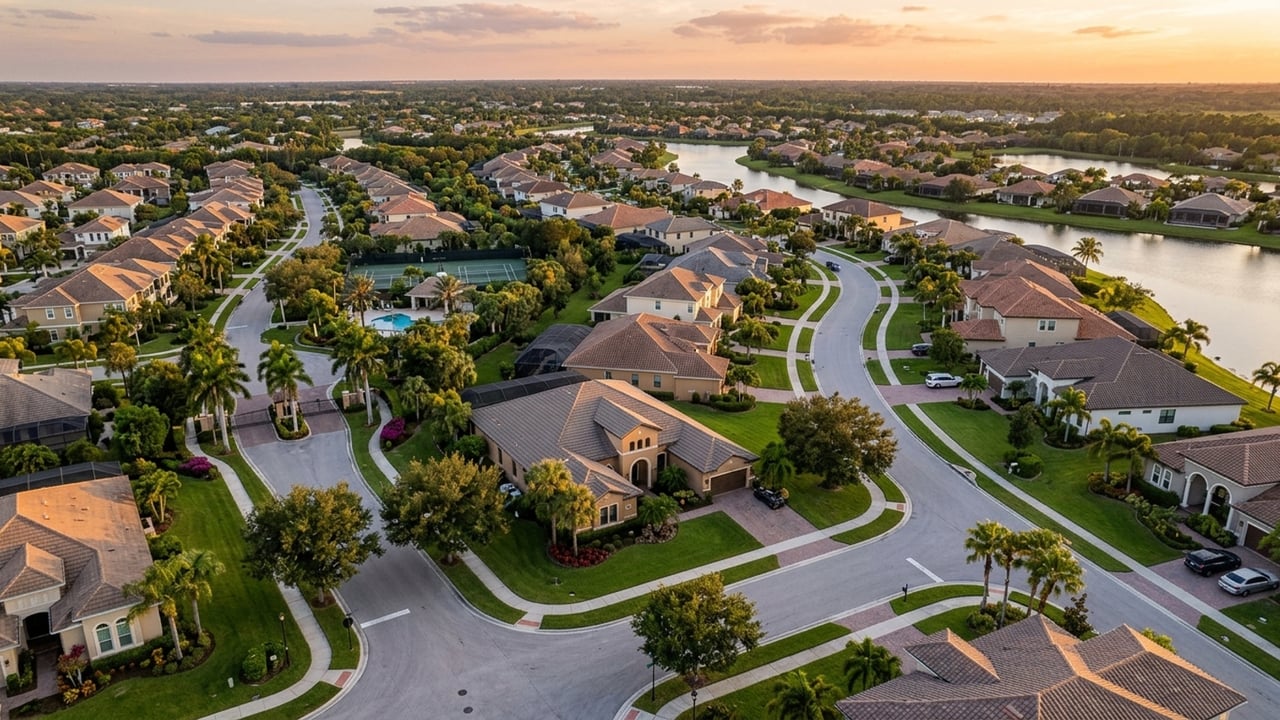
Estero
Our team’s unprecedented professionalism, skill, and attention to detail has allowed us to set sales records for the past 15 years. We will ensure your buying or selling experience exceeds your expectations.