Bayfront Vs Canalfront On Bonita Beach: Key Differences
January 1, 2026
January 1, 2026
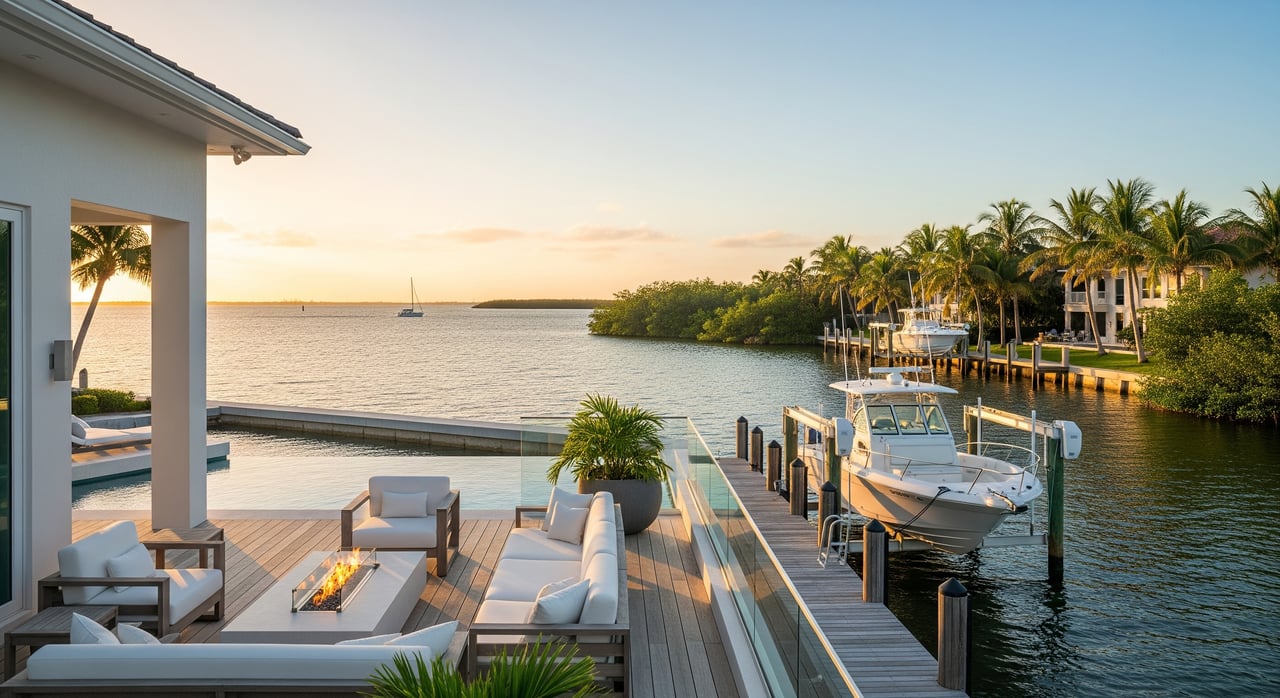
Picture yourself easing into a Gulf sunset from your own dock. On Bonita Beach and nearby Estero Island, you will often choose between bayfront and canalfront living. Both offer a true waterfront lifestyle, yet they feel different day to day. In this guide, you will learn how views, boating access, lot setup, maintenance, and resale play out on the water here, so you can buy with confidence. Let’s dive in.
Bayfront homes face open water on Estero Bay or near a tidal pass like Big Carlos Pass. You get broad sightlines, sweeping skies, and a dock or seawall that meets the bay. The tradeoff is more exposure to wind, currents, and wave action.
Canalfront homes sit on canal systems that feed into Estero Bay. Water is usually calmer, docks feel more private, and day-to-day use is often easier. Your route to the Gulf may take longer, depending on canal depth, width, and whether you pass under bridges or through narrow channels.
On Bonita Beach and Estero Island, both options connect you to Estero Bay, with routes to the Gulf through Big Carlos Pass or Matanzas Pass. Geography matters here, so pay attention to how your lot sits in relation to channels, shoals, and speed zones.
If fast Gulf access is your priority, bayfront can have an edge when you are near a pass. You can often see the route and judge conditions at a glance. Keep in mind that strong currents, shoaling after storms, and tides at the inlets can slow safe transit.
Canalfront access depends on the canal’s depth, directness, and any fixed bridges. Some homes reach open water in minutes, while others require a longer, no‑wake cruise through canals and the pass. Actual time varies with tides, wildlife speed zones, and boat draft.
Key checks to make before you fall in love with a view:
Bayfront lots often deliver the postcard moment: wide water, fewer dock obstructions in view, and dramatic sunrises or sunsets depending on orientation. This exposure can raise maintenance needs for docks and seawalls because of waves and wind.
Canalfront lots can feel tucked away and calm. You may enjoy more usable days for paddleboarding or swimming by the dock. Views are narrower and more neighbor-to-neighbor, and water quality can feel sluggish in canals with limited flushing.
What to inspect on any waterfront lot:
Waterfront improvements touch multiple agencies. You will see federal, state, and local layers for any new seawall, dock, lift, or mangrove trimming.
Environmental constraints such as seagrass protection, mangroves, and recorded easements can shape what you are allowed to build. Always verify permits and approvals before closing.
Most waterfront parcels here fall within FEMA flood zones. Your specific zone designation and base flood elevation influence financing and policy costs. Elevated construction on pilings and breakaway walls is common and can reduce risk but also shapes design and rebuild costs.
Expect a mix of coverage types. Lenders usually require flood insurance in higher‑risk zones. Wind and hurricane coverage availability varies by property and carrier in Florida’s coastal market. Dock and boat lift coverage is not always included in standard homeowner policies, so plan to add marine endorsements or separate coverage.
Ask early for the elevation certificate, FEMA flood map designation, current insurance premiums and deductibles, and any claim history. Those documents can make or break your timeline and budget.
Both bayfront and canalfront carry a premium over non‑waterfront in coastal Florida. Within the waterfront set, value depends on tangible features.
Liquidity follows demand for specific traits. Homes with documented seawall improvements, a newer lift, and verified depths tend to draw faster offers. Appraisals can be nuanced when recent comparable sales are limited, so solid documentation helps.
Use this quick checklist during tours and due diligence:
Before closing, line up a marine survey for the dock and a structural look at the seawall if older. A sonar depth survey at low tide is smart, especially for larger vessels.
Waterfront contracts benefit from a few extra protections. Add contingencies for marine and seawall inspections, permit review, and a depth survey. If a seawall or dock needs major work, negotiate a seller credit or escrow rather than delaying for permits.
Prepare your lender with thorough comps and documentation for improvements. Timing matters here. High season can tighten seller leverage, while off‑season or post‑storm inventory shifts may open room to negotiate. Confirm your mortgage timeline includes time to gather elevation certificates and any required insurance approvals.
Choose bayfront if you prize panoramic views, open‑water drama, and possibly shorter runs to the Gulf near a pass. Budget for more exposure and maintenance in exchange for top‑tier scenery and curb appeal.
Choose canalfront if you value sheltered water, easier day‑to‑day docking, and a more private feel at the dock. Weigh the extra minutes to open water against calmer conditions for paddleboards, kayaks, and small craft.
Either way, focus on what you will use most. Match boat size to depth, confirm the route you will actually run, and know your insurance and maintenance picture up front.
You deserve a guided, no‑surprises search that matches your lifestyle, your boat, and your budget. Our senior agents bring deep local knowledge of Estero Bay routes, seawalls and docks, and coastal permitting. If you are weighing bayfront versus canalfront on Bonita Beach or Estero Island, we will curate options and handle the details from first showing to close. Connect with McGreevy | Comisar to start your waterfront plan.
Stay up to date on the latest real estate trends.
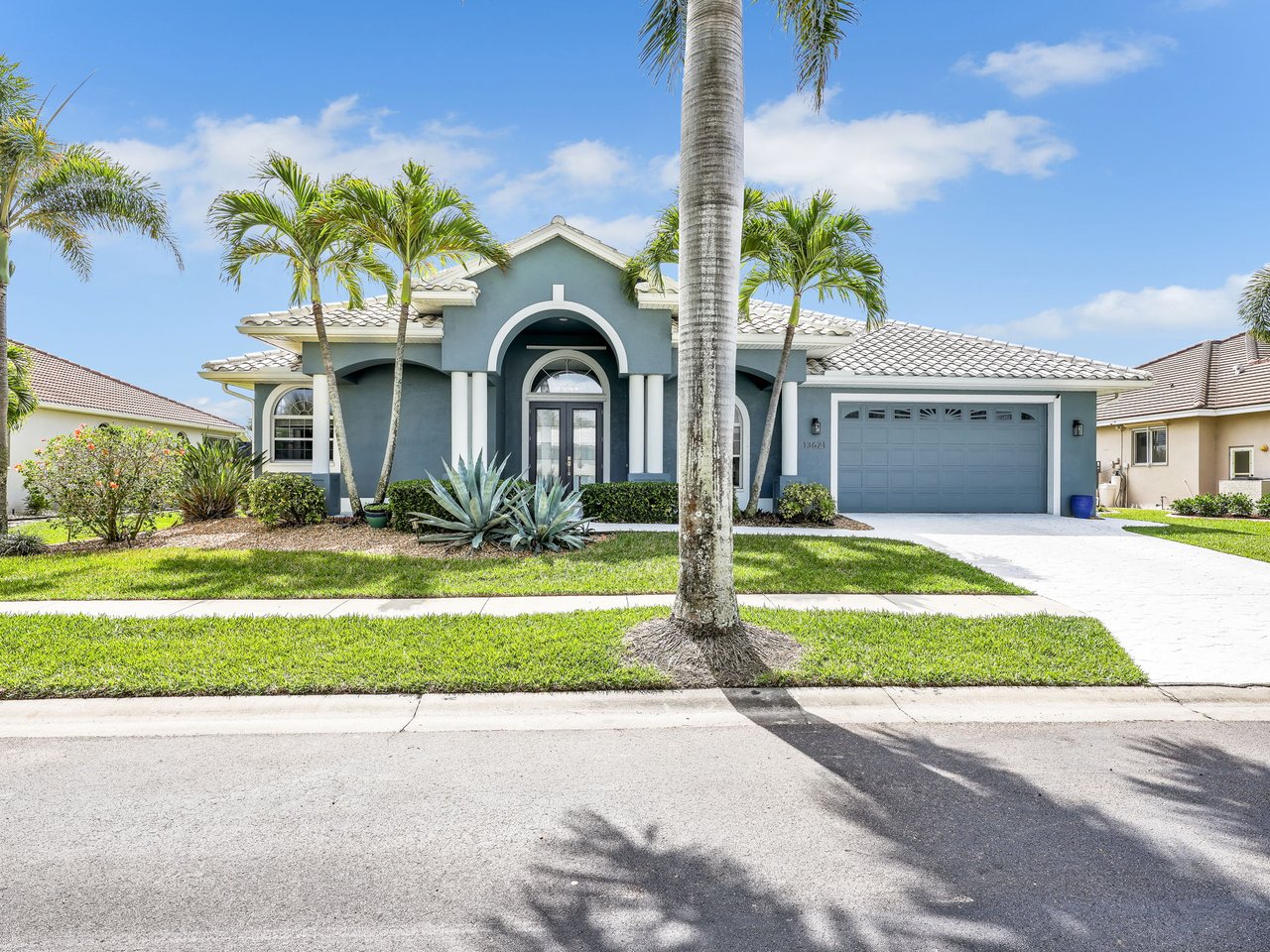
A Boater’s Dream in the Heart of South Fort Myers
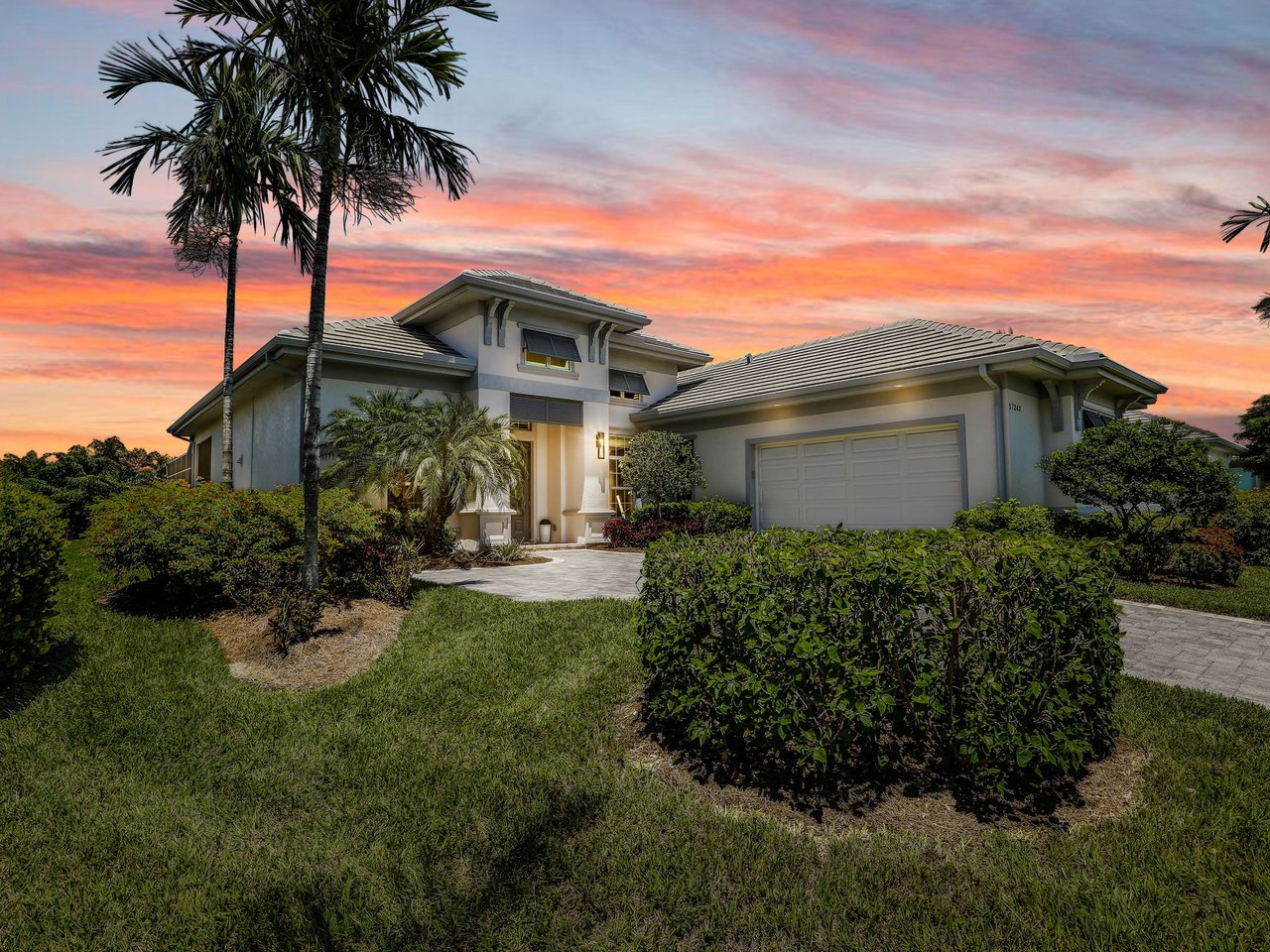
Experience upscale Southwest Florida living in one of the region’s most exclusive boating communities, without the waterfront price tag.
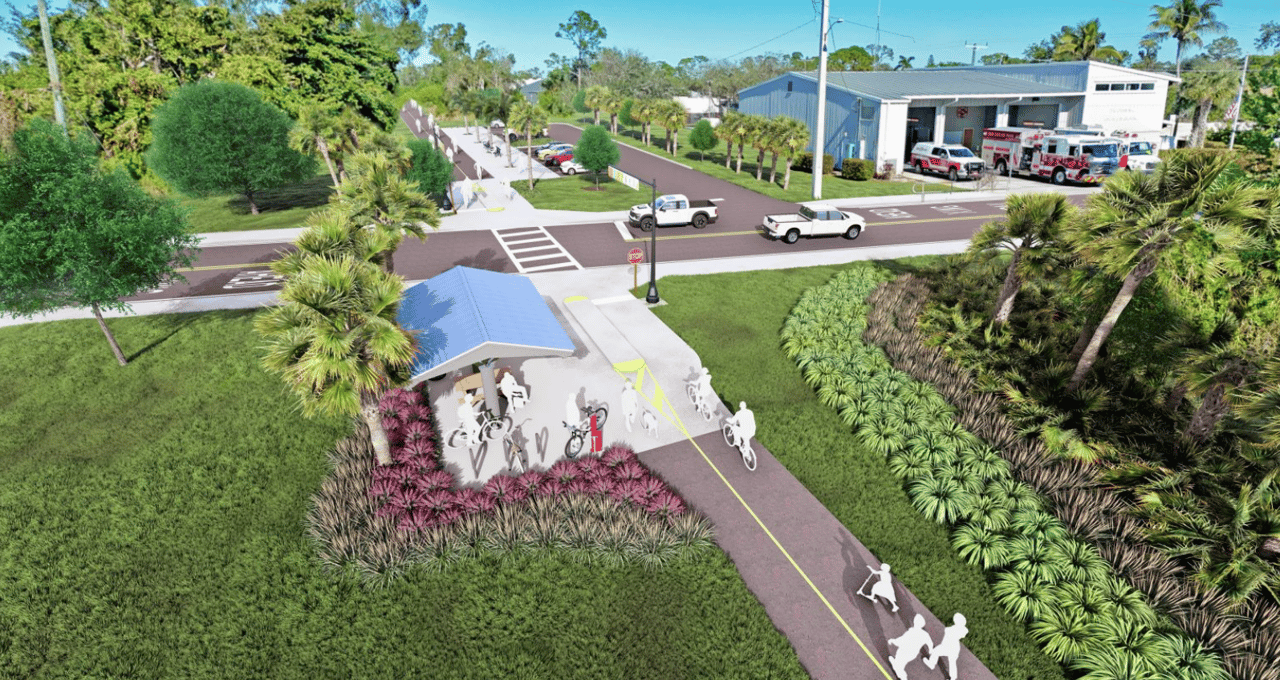
Major Milestone Reached for the Bonita Estero Rail Trail (BERT) Project in Southwest Florida
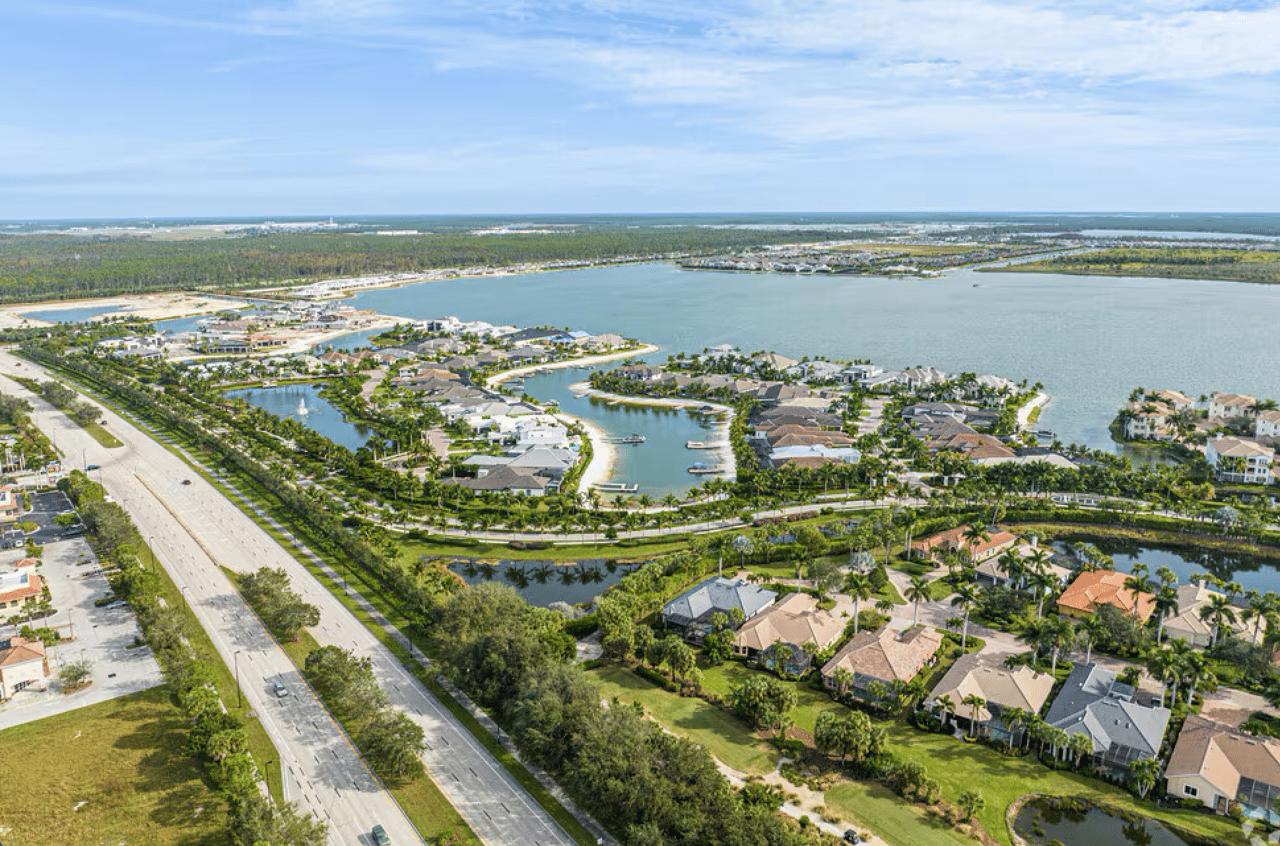
A Complete Guide to Lifestyle, Cost of Living, and What Makes Estero One of Southwest Florida’s Most Desirable Communities
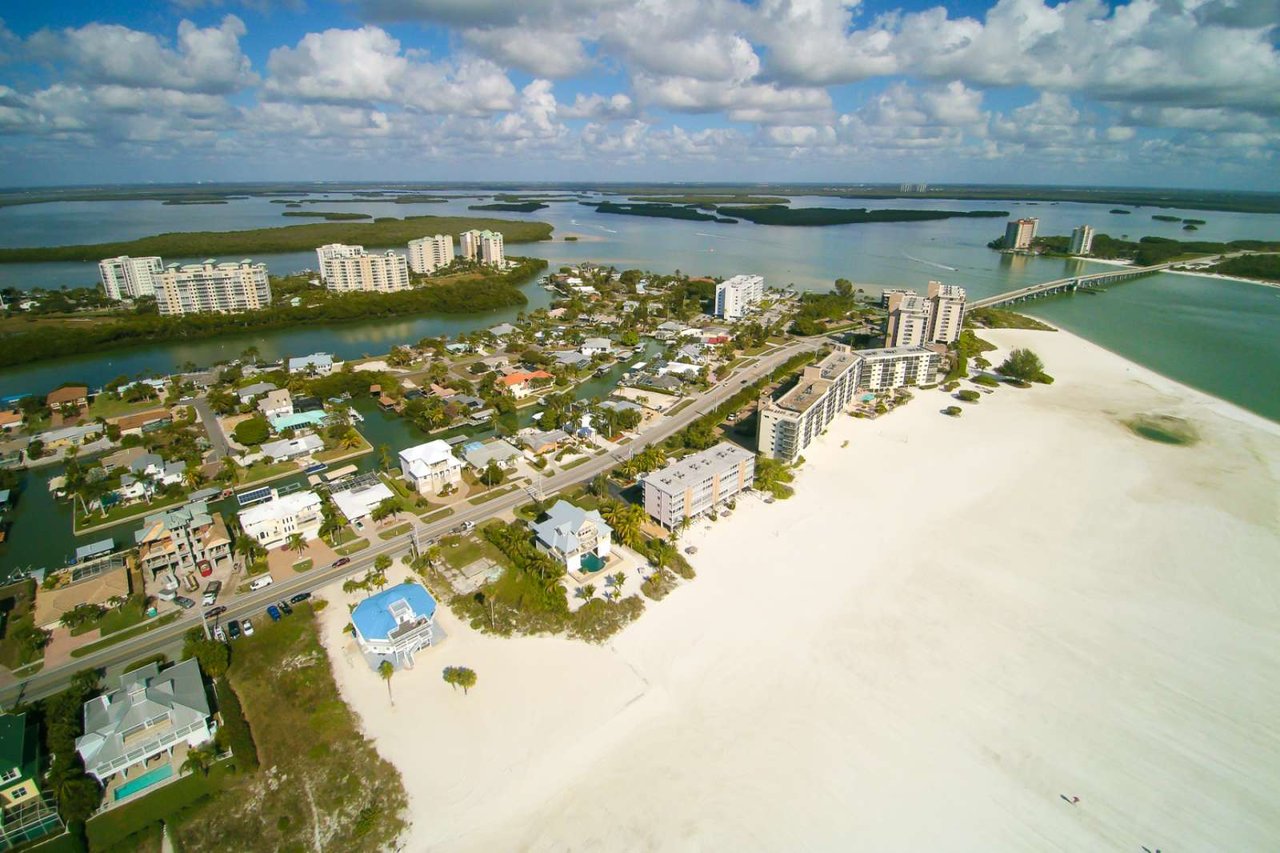
Why Estero is Becoming One of Southwest Florida’s Most Popular Relocation Destinations
Our team’s unprecedented professionalism, skill, and attention to detail has allowed us to set sales records for the past 15 years. We will ensure your buying or selling experience exceeds your expectations.